
buying a home with plans to renovate? what to consider before you commit
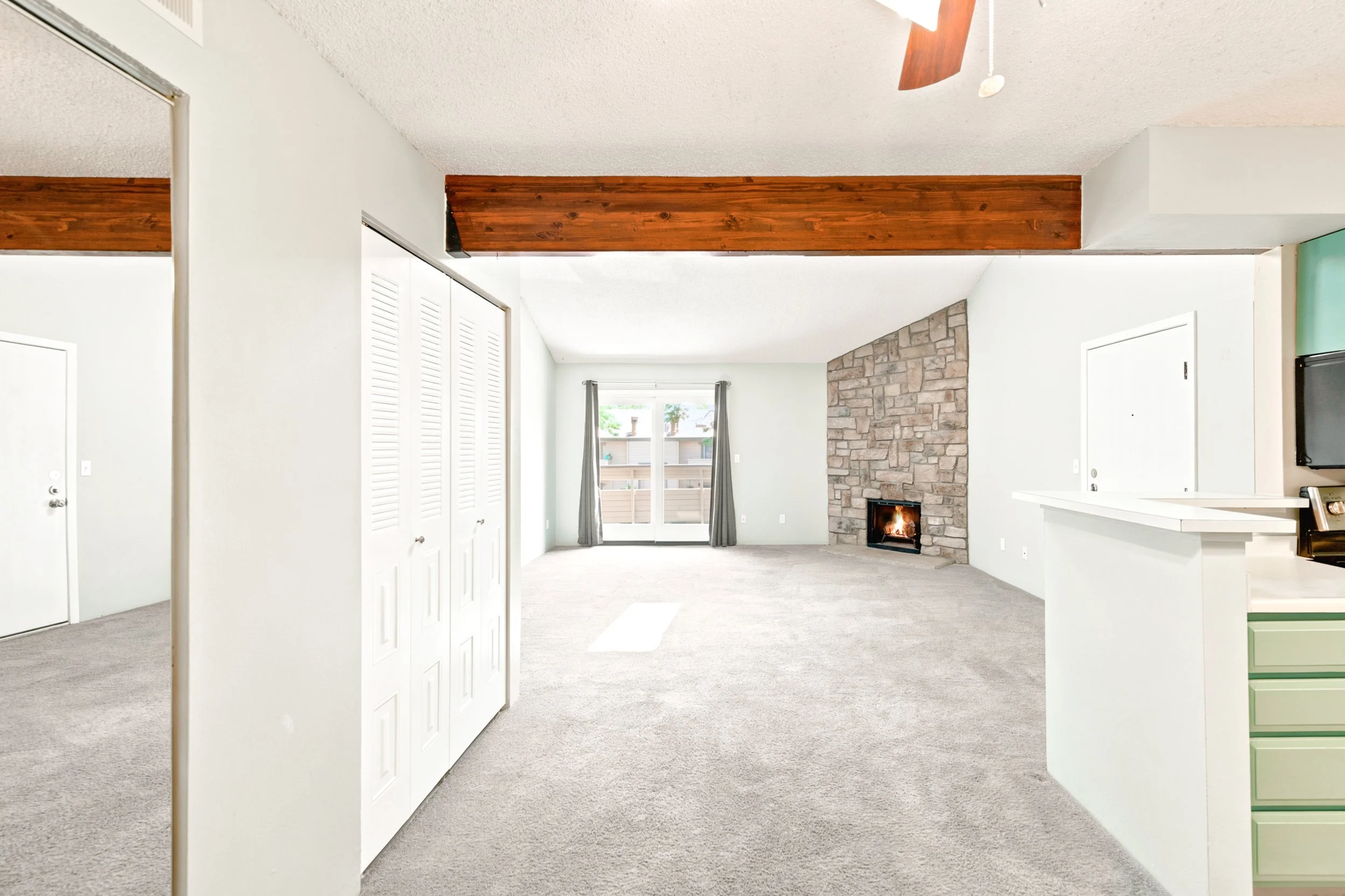
Buying a fixer-upper in Denver can be an appealing option for buyers who want to personalize their space, purchase in a preferred neighborhood, or find a property with room for improvement.
From established neighborhoods like Washington Park and Berkeley to surrounding communities throughout the Denver Metro area, homes with renovation potential can offer opportunities that fully updated properties may not.
However, renovating a home in Denver involves more than choosing finishes or planning a new layout. Property condition, renovation costs, financing, local requirements, and neighborhood values can all influence whether a particular home is the right fit.
Before making an offer, it is worth understanding what the renovation process may involve and how to evaluate the property's potential.
Evaluate the Condition of a Fixer-Upper Before Buying
When considering a home for renovation, look closely at its existing condition before focusing on the improvements you would like to make.
Some updates, such as replacing countertops or refinishing floors, may be relatively straightforward. Others, including removing walls, relocating plumbing, or changing the home's layout, can require more extensive planning and professional involvement.
Older homes throughout Denver may also have electrical systems, plumbing, or other components that need updating to accommodate modern use or meet applicable requirements.
Understanding these differences early can help you determine whether a property is suited to your renovation plans.
Schedule Professional Inspections and Contractor Evaluations
A professional home inspection is particularly important when purchasing a property that needs work.
During the due diligence period, consider whether additional evaluations are appropriate based on the home's condition and your proposed improvements.
These may include:
General home inspection
Sewer scope or plumbing evaluation
Electrical system assessment
Structural evaluation
Contractor walkthrough for planned renovations
A general inspection provides useful information about the property's condition, while specialized evaluations can help clarify concerns that require further investigation.
For major renovations, consulting qualified contractors during the due diligence period can also help you better understand the scope and potential cost of the work before moving forward.
Create a Realistic Home Renovation Budget
The cost of renovating a home extends beyond the materials and visible improvements.
Depending on the project, expenses may include contractor labor, design services, demolition, permits, material delivery, and other construction-related costs.
Before committing to a property, obtain preliminary estimates for the improvements you are considering.
Prepare for Unexpected Renovation Expenses
Even with careful planning, renovations can uncover issues that were not immediately visible.
For example, opening walls may reveal outdated wiring, plumbing concerns, or damage that requires additional repairs.
Including a contingency fund in your renovation budget can help accommodate unexpected expenses without disrupting your entire financial plan.
The amount you set aside should reflect the property's condition, the complexity of the work, and guidance from qualified professionals.
Check Denver Renovation Permits and Local Requirements
Before purchasing a home with plans for major improvements, investigate the local requirements that may affect your project.
In Denver, renovations involving structural modifications, additions, and certain electrical, plumbing, or mechanical work generally require permits.
Properties located within designated historic districts or holding landmark status may also be subject to additional review for exterior changes.
Requirements can vary across the Denver Metro area. A project in Denver may have different approval procedures from one in Lakewood, Arvada, or Littleton.
If your renovation plans include removing walls, expanding living space, or making significant exterior changes, contact the appropriate local permitting office and consult qualified professionals before assuming the work can proceed as envisioned.
Consider Renovation Costs Alongside Neighborhood Values
A property's location plays an important role in evaluating its renovation potential.
Home values, buyer expectations, and demand for certain features can vary considerably between Denver neighborhoods.
For example, improvements that align with comparable renovated homes in Washington Park may differ from those commonly found in Berkeley or Wheat Ridge.
Before purchasing, review recent comparable sales and consider how the property's potential value after renovation compares with your anticipated investment.
Compare the Total Investment With Move-In-Ready Homes
A lower purchase price does not always translate into a lower overall cost.
Consider the combined expense of purchasing and renovating the property, including financing, carrying costs, and any temporary housing expenses.
Then compare that amount with similar homes that already offer the features you want.
Renovations can certainly be worthwhile for personal enjoyment, but understanding neighborhood values helps you make decisions with future resale considerations in mind.
Explore Financing Options for Buying a Home to Renovate
Financing a property that needs significant improvements may require a different approach from purchasing a move-in-ready home.
Some buyers use personal savings to fund renovations after closing. Others explore financing programs designed to accommodate eligible home improvements.
Two options worth discussing with a lender include:
FHA 203(k) loans: These may allow eligible buyers to finance a home purchase and qualifying rehabilitation costs through one mortgage, subject to program requirements.
Fannie Mae HomeStyle Renovation loans: These may provide financing for a home purchase and eligible renovation expenses through a conventional mortgage program.
Each option has its own eligibility requirements, property standards, renovation guidelines, and approval process.
Before making an offer, speak with a lender experienced in renovation financing to determine which programs may be available and whether your proposed improvements qualify.
Plan Your Renovation Timeline and Living Arrangements
Renovations can also affect when you move into the home and how comfortably you can live there during construction.
Smaller updates, such as painting or replacing fixtures, may be manageable after moving in. Larger projects involving kitchens, bathrooms, or structural changes can require more extensive coordination.
Before purchasing, consider whether you will need temporary housing, how contractor availability may affect scheduling, and whether your timeline allows for potential delays.
It can also help to separate essential repairs from improvements that can be completed gradually.
Prioritizing safety, functionality, and major systems first allows you to address immediate needs while planning other updates around your budget and schedule.
Find the Right Denver Home for Your Renovation Plans
Buying a home to renovate can give you the opportunity to create a space that reflects your needs and preferences, particularly when you find a property in a neighborhood you love.
The key is understanding what you are taking on before committing. From the property's condition and renovation requirements to financing and neighborhood values, each consideration contributes to the overall decision.
At the Lauren Jensen Group, we help Denver-area buyers evaluate properties with renovation potential, understand neighborhood market conditions, and compare options based on their goals and anticipated investment.
Have your eye on a Denver home with renovation potential? Let's explore what it could become. Contact the Lauren Jensen Group to evaluate your options, uncover opportunities in your preferred neighborhoods, and take the next step toward creating a home that feels like yours.

FAQ: Buying a Home to Renovate in Denver
Is buying a fixer-upper in Denver worth it?
It can be, depending on the property's purchase price, condition, renovation costs, and location. Comparing your total investment with similar renovated homes can help you evaluate the opportunity.
Can I finance home renovations with my mortgage?
Certain programs, including FHA 203(k) and Fannie Mae HomeStyle Renovation loans, may allow eligible renovation costs to be included in purchase financing. Confirm program availability and requirements with your lender.
Do I need permits to renovate a home in Denver?
Some renovations require permits, particularly those involving structural changes, additions, electrical work, plumbing, or mechanical systems. Requirements depend on the specific project and property location.
Should I get a home inspection before buying a fixer-upper?
Yes. A professional inspection can help identify existing concerns. Depending on the property's condition and your renovation plans, additional contractor or specialist evaluations may also be appropriate.
