
how to compare two homes when you love them for completely different reasons
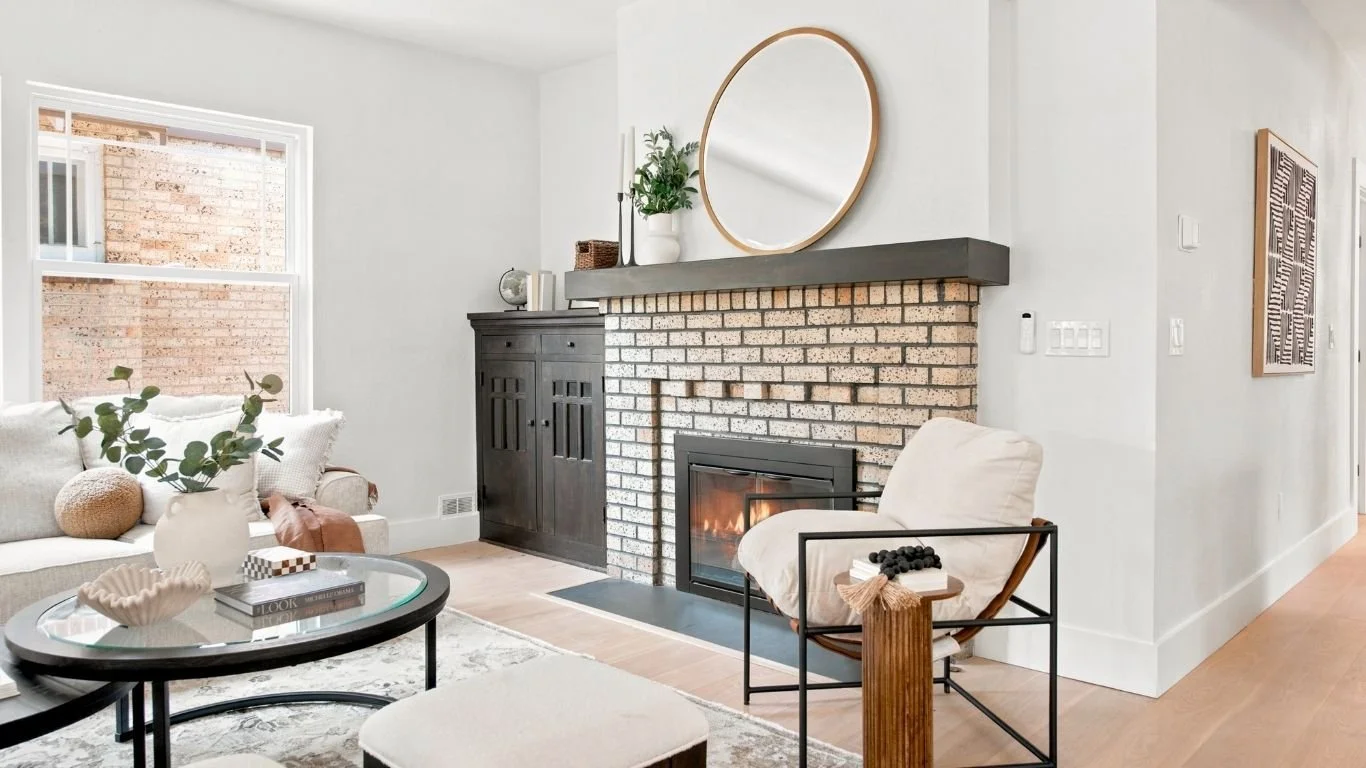
Sometimes the hardest home-buying decision is not choosing between a house you love and one you do not.
It is choosing between two homes you genuinely love for completely different reasons.
One has the neighborhood. The other has the kitchen. One gives you more space, while the other shortens your commute. One feels special the moment you walk through the door, while the other seems to make more practical sense.
When that happens, asking “Which house is better?” usually does not get you very far.
A more useful question is:
Which home is better for the life I actually want to live?
This can be especially important for Denver-area buyers. At the same price point, you may be comparing an older home with character and a mature lot against a newer property with more square footage, an attached garage, and fewer immediate projects.
Neither is automatically the better purchase. The goal is to understand what you are gaining, what you are giving up, and which trade-offs matter most to you.
Start With Why You Love Each Home
Before comparing bedrooms, bathrooms, and square footage, identify what is actually pulling you toward each property.
Maybe Home A offers walkability, mature trees, a backyard, and a neighborhood you already love. Home B has a renovated kitchen, better storage, newer systems, and a floor plan that works better for your everyday life.
Those are very different advantages.
At the Lauren Jensen Group, when buyers are torn between properties, this is one of the first distinctions we want to understand. Are you responding to location? Convenience? Character? Condition? Space? Lifestyle?
Once you know why each home appeals to you, the comparison becomes much clearer.
Separate What You Can Change From What You Cannot
A dated light fixture can be replaced.
The street cannot.
Paint, flooring, landscaping, appliances, hardware, and many cosmetic finishes can change over time. Depending on the property and budget, bathrooms and kitchens can be renovated too.
Other characteristics are much harder, or impossible, to change:
Location
Lot size
Street traffic
Views
Natural light
Parking configuration
Commute
Neighborhood
Basic footprint
HOA structure
This matters because buyers can sometimes give too much weight to the most visually appealing features.
A beautiful kitchen is valuable, but it should not distract you from a location that does not work for your daily life. Likewise, a dated bathroom may feel disappointing during a showing but could be relatively minor if the home gets the harder-to-change factors right.
Compare Daily Life, Not Just the Showing
A showing may last 30 minutes. Living in the home is different.
Instead of imagining another Saturday afternoon touring the property, imagine an ordinary Tuesday.
Where will you park when you get home?
How long is your commute?
Where do groceries go?
Is there enough storage?
Where would you work from home?
Would you actually use the large backyard, or would maintaining it become another responsibility?
Does the floor plan work when guests visit?
Now think a few years ahead. You do not need to predict your entire future, but consider whether the home has enough flexibility if your work, family, pets, hobbies, or space requirements change.
Sometimes the house that creates the strongest first impression is not the one that makes everyday life easiest.
Location Means More Than a Neighborhood Name
Denver-area buyers often begin with neighborhood preferences, but two homes in the same general area can still offer very different experiences.
Look at the actual property location, including traffic, street noise, parking, walkability, highway access, proximity to parks and businesses, lot orientation, and nearby development.
The trade-offs can also change significantly as you move across the metro area.
A home in an established central Denver neighborhood might offer walkability, mature landscaping, and architectural character while giving you less interior space or parking. At a similar price farther from the city center, you may find a larger lot, attached garage, or newer construction.
When we help LJG buyers compare properties, we look beyond the neighborhood name and consider what living at that specific address is likely to feel like.
Compare Condition and Future Costs
Purchase price is only one part of what a home may cost you.
Suppose Home A has a beautifully renovated interior but older major systems. Home B looks more dated but has a newer roof, windows, furnace, electrical work, or sewer improvements.
Which one is actually more move-in ready?
For Denver-area properties, we may look closely at factors such as roof condition, heating and cooling systems, windows, sewer lines, electrical and plumbing systems, basements, exterior condition, and HOA responsibilities when applicable.
This becomes particularly important when comparing older Denver housing stock with newer construction.
Do not assume the home with the newest finishes will automatically require the least future investment.
Compare What the Same Budget Buys You
Your two favorite homes should also be considered in the context of the current market.
DMAR reported 13,080 active listings across the Denver Metro area at the end of August 2026. The median number of days in the MLS for homes that closed during August was 27 days. Importantly, that figure applies to homes that closed during the reporting period and should not be treated as a universal selling timeline.
Market conditions also vary considerably by neighborhood, price point, and property type.
That makes another question useful:
What am I getting for my money with each home?
One property may command more because of location. Another may offer significantly more square footage. One may already be renovated, while another offers a larger lot and the ability to improve it over time.
Your agent can help you compare recent sales and current competition to understand what the differences between the two properties mean in the context of their individual markets.
Give Your Priorities Different Weight
A standard pros-and-cons list has one major weakness: it makes every item look equally important.
They are not.
“Kitchen backsplash I love” should probably not carry the same weight as “30 minutes closer to work.”
Instead, identify your five or six most important categories and rank their importance.
For example:
| PRIORITY | IMPORTANCE |
|---|---|
| Location | Very High |
| Layout | Very High |
| Commute | High |
| Condition | High |
| Outdoor Space | Medium |
| Cosmetic Finishes | Low |
Then evaluate each home against those priorities.
This is not about turning your home purchase into a math equation. It simply keeps five small advantages from outweighing the one factor that matters most to your everyday life.
Ask Which Compromise You Would Rather Live With
Every home comes with a trade-off.
So when both properties are strong contenders, try changing the question.
Instead of asking, “Which house has fewer problems?” ask:
Which compromise would I rather live with?
Would you rather renovate a kitchen eventually or have a longer commute every day?
Would you rather have a smaller backyard or give up the neighborhood you prefer?
Would you rather accept an older home with more maintenance or sacrifice some of its character for newer construction?
Would you rather have less square footage or less natural light?
There may not be a universally correct answer. There is usually an answer that better reflects your priorities.
Consider Resale, but Do Not Let It Make the Entire Decision
Future marketability deserves consideration.
Location, functional layouts, parking, natural light, outdoor space, condition, and other characteristics can influence how future buyers respond to a property.
Your agent can also help identify whether an unusual feature is simply unique or something that could meaningfully limit the future buyer pool.
Still, you are buying a home for yourself before you are selling it to someone else.
Resale should be one factor in the decision, not the only factor.
If Possible, See Both Homes Again
A second showing can feel very different from the first.
Instead of revisiting everything you already love, focus on your uncertainties.
Look at storage. Listen for noise. Consider furniture placement. Walk the block. Look more closely at the basement, garage, exterior, and major systems.
If practical, experience the neighborhood at a different time of day.
The first visit tells you what excites you. A second visit can help you understand what living there might actually be like.
How We Help Buyers Compare Two Good Options
At the Lauren Jensen Group, our job is not to tell a buyer which home they should love more.
It is to help make the trade-offs clearer.
When comparing Denver-area properties, we can look at recent comparable sales, neighborhood conditions, current competition, property condition, major systems, price positioning, potential maintenance, resale considerations, and the features that cannot realistically be changed.
Then we bring the decision back to the buyer's priorities.
Sometimes one home becomes the clear choice.
Sometimes both remain good options. In that situation, making a confident decision comes from understanding exactly what you are choosing and what you are willing to compromise on.

How do I choose between two houses I really like?
Identify why you like each home, then prioritize location, functionality, condition, future costs, and the features you cannot change. Give more weight to the factors that will affect your everyday life.
Should I choose the better location or the nicer house?
It depends on your priorities, but location is generally harder to change than finishes. Consider whether you would realistically renovate a less-updated home and how much the location will affect your daily routine.
Is it better to buy a renovated home or one that needs updates?
Compare more than cosmetic condition. Look at major systems, purchase price, renovation costs, location, and how much work you are comfortable taking on after closing.
What should I compare when choosing between two homes?
Focus on price, location, layout, condition, major systems, commute, storage, parking, outdoor space, maintenance, neighborhood, and long-term flexibility.
Can my real estate agent help me choose between two houses?
Yes. An experienced agent can provide context around comparable sales, neighborhood conditions, property differences, market value, and potential resale considerations while keeping the final decision in your hands.
When Both Homes Are Good, Make the Trade-Offs Clear
Choosing between two homes you love does not always require finding an obvious winner.
It requires understanding which property fits your priorities and which compromises you would rather live with.
The Lauren Jensen Group helps Denver-area buyers compare homes through the lens of location, price, condition, functionality, neighborhood, future costs, and market value.
If you are deciding between two homes or beginning your Denver home search, contact the Lauren Jensen Group. We can help you evaluate each property in the context of both your priorities and the market around it, so you can make your decision with better information.
